
What Makes the Digital Check-in System Truly Contactless? A Practical Guide for Hotel IT Teams
In the era of digitalization of the hospitality industry, many hotels are introducing online check-in. However, not every solution called contactless really excludes physical interaction. Hotel IT departments need to recognize that real contactless is not merely a mobile application, but a fully automated process encompassing identification and room access.
Below are the key elements that, without which, digital check-in cannot be considered truly contactless.
1. Complete Remote Identification: The Key to Security

The guest must complete an identity check before arrival using a secure portal or the hotel mobile check in app. The system offers to upload a scanned passport or ID card, after which the data is automatically verified via an ID scanner for hotels.
Additionally, biometric authentication (face recognition) or two-factor authorization is used. All this is implemented through mobile ID verification, without the need to transfer the document to an employee.
This approach eliminates the need for face-to-face contact and meets the requirements of the hotel contactless check in.
2. Pre-Registration and Digital Signature
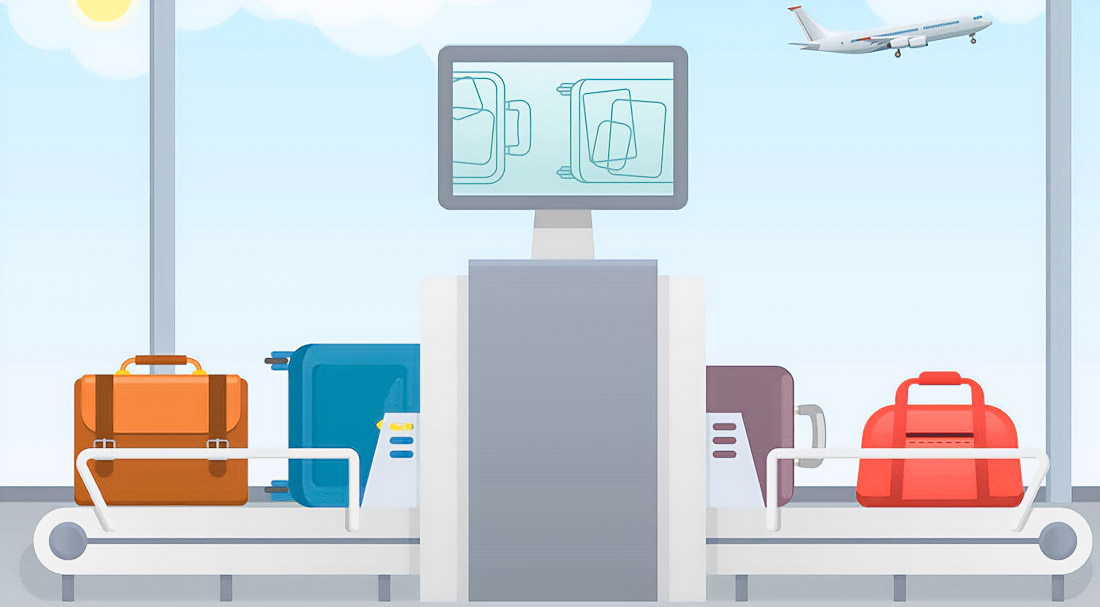
After booking, the guest receives a personalized link to the pre-registration form. In it they can:
- fills out the questionnaire
- uploads documents (for example, via passport scanner or driving license scanner)
- puts a digital signature
- agrees to the living conditions.
The data is automatically sent to the hotel PMS software (for example, Opera Cloud PMS) via the API. This eliminates manual input errors and allows you to set up paperless check in.
3. Mobile Key and Remote Room Access

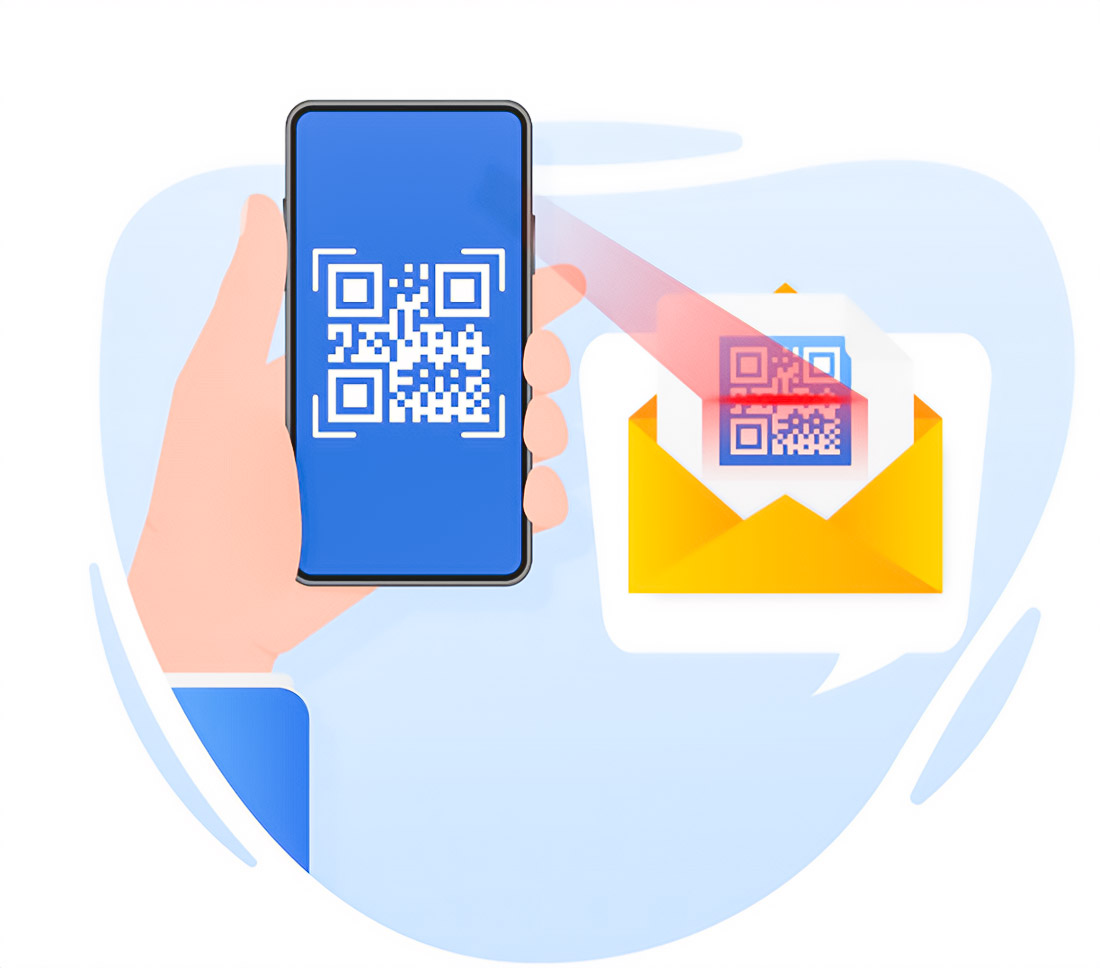
After verification, the guest receives a hotel digital key, a mobile key with which he can open the room via a smartphone. An alternative is a QR code with a limited validity period, linked to the booking and the check-in period.
It is important that the system integrates with property management software for hotels, as this eliminates access conflicts and automates control.
Mobile check in hotel solutions are increasingly becoming the standard in hotels, especially in the urban and business accommodation segment.
4. Online Payment and Transaction Security
Contactless payment is not possible without remote payment. The guest must be able to:
- Pay for your stay via hotel check in software
- Authorize the deposit
- Choose a payment method (bank card, digital wallet)
- Get an electronic receipt.
All operations must be PCI DSS compliant and integrated with the hotel’s business software management system. This eliminates manual billing and simplifies financial reporting.
5. Key Functions During The Stay
The truly contactless system continues to work even after check-in. The guest manages the accommodation through the app: adjusts the climate, orders food, extends the room or makes a hotel table reservation.
Services such as the hotel food ordering system and chatbots for communicating with the reception integrate with hotel PMS systems and give full control over the services.
Many hotels also offer portable check-in or iPad hotel check in devices for accelerated access at events or conferences.
6. Kiosks as a Backup Channel
Although self-check in at the hotel via the terminal is a convenient solution, it does not replace mobile check-in. The Hotel self service kiosk should be a backup option for guests who do not use smartphones.
Kiosks should:
- Support document scanning (hotel ID scanner)
- Print the keys
- Integrate with Hotel kiosk software and payment system.
Modern hospitality kiosk solutions provide analytics and centralized management, reducing the burden on staff.
Example: large chains use kiosk check in hotel terminals with integration into hotel check in kiosk, which are synchronized with PMS and loyalty systems.
7. Real-Time Data Synchronization
All of the above require stable data exchange between:
- Hotel PMS systems
- Payment gateways
- ID platforms
- Access control systems
- Business Intelligence tools
To do this, it is important to use management software solutions that support open API, modularity, and scalability.
Solutions with business intelligence software help identify bottlenecks, improve productivity, and monitor KPIs online.
8. Compliance With Laws and Data Protection
The system must comply with:
- ID storage and verification requirements (GDPR, local laws)
- Payment security standards
- Requirements for logging and auditing.
Reliable solutions include:
- Role-based access model
- Timestamps of operations
- Encryption and anonymization of documents.
These measures make contactless check in at the hotel not only convenient, but also legally correct.
Conclusion
A digital registration system cannot be called contactless if manual steps remain in it. Full automation, remote identification, mobile key, payment and PMS integration are the main elements.
For hotel IT teams, this means:
- Ensure synchronization between all systems
- Use the hotel mobile check in app as a central tool
- Implement reliable identity verification using an ID scanner and biometrics
- Maintain unified control through hotel PMS software and analytics.
Contactless service is not an option, but a new norm. A guest who manages their stay via smartphone wants simplicity, speed and confidence. And that’s exactly what your technology should provide.

Skydiver, hustler, record lover, Vignelli fan and critical graphic designer. Doing at the nexus of minimalism and computer science to express ideas through design. Let’s make every day A RAZZLE-DAZZLE MUSICAL.